Key Takeaways
- Focus on whole foods, protein, and fiber to support GLP-1 medications.
- Avoid sugary, fried, and highly processed foods.
- Eat smaller balanced meals and listen to your hunger cues.
- Stay hydrated and limit alcohol or carbonated drinks.
- Consistency with healthy habits leads to better long-term results.
In case you, or a person you are familiar with, have been prescribed a GLP-1 drug such as Ozempic, Wegovy, and Mounjaro, you might be curious about what you should eat to achieve optimal outcomes. These are potent agents in the management of blood sugar and weight loss, although what you consume along with them may matter a lot.
The positive thing is that you do not have to have a complex dietary regimen. All you need is to understand what types of food are beneficial to your body in combination with the drug, and what types can lead to issues.
This guide will take you through all this in easy steps that are easy to follow with practical tips that you can actually begin using today.
What Are GLP-1 Medications and Why Does Diet Matter?
GLP-1 is the abbreviation of glucagon-like peptide-1. That is difficult to hear, but here is the easy side of it: the body automatically produces a hormone called GLP-1 when you eat. This hormone notifies your brain that you are full, assists your body in handling blood sugar and it also retards the rate at which food emerges from your stomach.
GLP-1 drugs such as semaglutide (Ozempic, Wegovy) and tirzepatide (Mounjaro) replicate the mechanism of this hormone. They fill you up more quickly, suppress cravings and assist your body to regulate blood sugar more efficiently.
This is where it counts now: these drugs are all the better when you combine them with the correct foods. Imagine the drug to be an aide. It helps to keep your appetite down and your desires to a minimum, but it is in your power to make your plate the right one. The lack of proper nutrition will slow down your results.
Individuals taking GLP-1 drugs and a healthy diet and exercising can lose 0.5 to 2 pounds per week, on average. That figure can be significantly reduced without modifications to diet.
That is the right diet as well, it allows you to escape most of the side effects of these drugs, such as nausea, bloating, stomach ache. Oily or fried or highly processed foods are likely to compound such side effects.
Doctor-Designed Treatment
The Best Foods to Eat While on GLP-1 Medications
You do not have to stick to a rigid and restrictive diet. The idea is merely to concentrate on the entire, actual foods, which can be digested by your body and which maintain your blood sugar at a constant level. The following is a breakdown in food group:
Lean Proteins
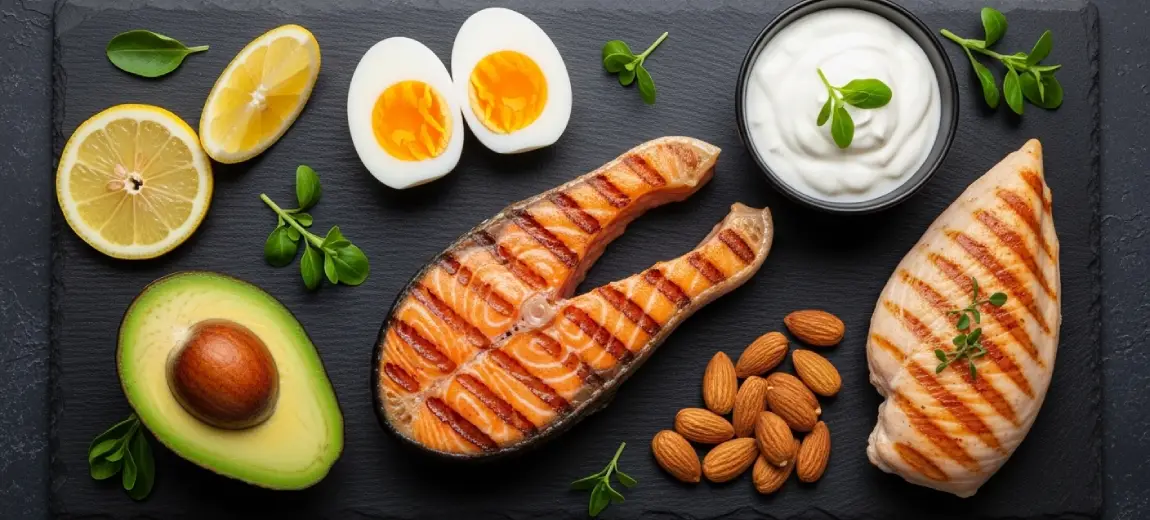
The most essential nutrient in case you are taking GLP-1 medication is protein. It makes you full, maintains your muscles firm and aids in your weight loss program. Eat a minimum of 80 grams of protein a day. Good sources include:
- Chicken breast or turkey
- Fish like salmon, tuna, or tilapia
- Eggs
- Greek yogurt
- Cottage cheese
- Tofu or legumes if you prefer plant-based options
High-Fiber Vegetables
Vegetables contain fewer calories yet they are full of fiber, vitamins and minerals. Fiber aids in digestions and prevents an increase in blood sugar after eating. Great choices include:
- Spinach and kale
- Broccoli and Brussels sprouts
- Zucchini and bell peppers
- Cucumbers and carrots
- Cherry tomatoes
Whole Grains
All carbohydrates are not bad. Whole grains provide you with a constant, lasting energy without soaring your blood sugar levels and plunging them. Stick to:
- Oats
- Brown rice
- Quino
Avoid white bread, white rice and normal pasta. They are fast-digesting carbohydrates that spike your blood sugar and are processed by the body very fast.
Healthy Fat
It is good in your heart and your brain as well as makes you feel full after you eat. Include small amounts of:
- Avocado
- Nuts like almonds or walnuts
- Olive oil
- Chia seeds and flaxseed
Berries and Low-Sugar Fruits
These fruits such as blueberries, raspberries and strawberries contain plenty of antioxidants and contain low sugar content compared to many other fruits. They make a fantastic choice of a sweet snack that does not raise your blood sugar.
Legumes
High in fiber and protein are beans, lentils and chickpeas. They are cheap, can be prepared easily and are very satisfying. They also aid in maintaining a normal blood sugar level in the day.
Foods to Avoid While on GLP-1 Medications
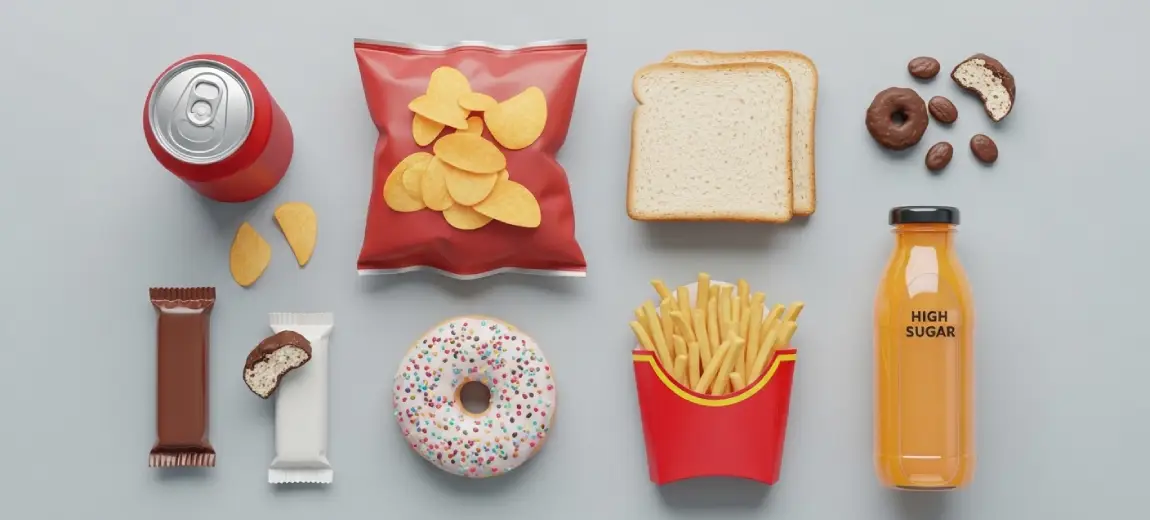
Certain foods may decrease drug effectiveness, increase side effects, or retard improvement. Here is what to stay away from:
- Sweetened beverages and soda: Sweetened beverages and soda. They are high fructose sugar spikes, empty calories since they have no nutritional value.
- Fried foods and greasy foodsL Fried foods and greasy foods. Since GLP -1 drugs already slow down the digestive system, fatty foods remain in your stomach longer and have a much greater chance of making you feel nauseated and uncomfortable.
- White bread, white rice, and regular pasta: White bread, white rice and regular pasta. These are fined carbohydrates which digest too fast and result in blood sugar peaks and crashes.
- Pastries, candy, and baked goods: Pastries, candy, and baked goods. Sugar rich and nutrient deficient. They may also cause interference with the effectiveness of medication.
- Alcohol: Alcohol may enhance the side effects of GLP-1 drugs and disrupt blood sugar regulation. It should be restricted or prevented at all.
- Carbonated beverages: Carbonated beverages. Fizzy drinks are known to make you feel bloated and have the effect of making you feel unnaturally full, as this is a side effect in itself.
- Ultra-processed snacks and fast food: Ultra-processed snacks and fast food. These contain low nutrient value and high content of unhealthy fats, salt and sugar.
The studies indicate that individuals who consume high amounts of sugar levels have far lower incretin growth hormone levels. It is that having too much sugar in your diet can decrease the effectiveness of your medicine directly.
How to Build the Perfect Plate
It does not require any difficult work to create a healthy meal. It is very easy to consider it by hand;
- Protein (size of your fist): Chicken, fish, eggs, tofu, Greek yogurt, or legumes
- Vegetables (size of your open hand): Leafy greens, broccoli, bell peppers, or carrots
- Healthy fats (size of one finger): Avocado, nuts, seeds, or a drizzle of olive oil
- Complex carbs (small side portion): A small serving of quinoa, oats, or brown rice
The recommended proportions of the right balance of meal are about 25 to 30 percent proteins, 30 to 35 percent healthy fats, and 35 to 45 percent of complex carbohydrates. This maintains your energy level constant and aids the medication to work.
Meal Timing Tips
How often and how much you eat also matters. Here are a few simple guidelines:
- Eat three balanced meals and one to two small snacks per day
- Keep your portions moderate. You will naturally feel fuller faster on this medication
- Do not skip meals. Skipping meals can lead to low blood sugar and make you feel tired or dizzy
- Drink at least 8 cups (64 oz) of water throughout the day
- Eat slowly and stop when you feel about 80 percent full
Begin your day with a small, high in protein breakfast such as cottage cheese and berries or scrambled eggs and spinach. This preconditions the stable level of blood sugar and energy throughout the day.
Eating Ideas that You Can Start With.
Breakfast Options
- Sauteed spinach and scrambled eggs on a piece of whole grain toast.
- Chia pudding prepared using almond milk along with fresh berries on the top.
- Greek yogurt and blueberries and a sprinkling of ground flaxseed.
- A spinach-almond milk-half a banana-protein powder low-sugar smoothie.
Lunch Options
- Chicken salad topped with mixed greens, cherry tomatoes, cucumber, and light olive oil dressing grilled.
- Avocado, carrots, and cucumber lettuce wraps in Turkey.
- Quinoa and vegetable stir-fry with grilled chicken or tofu.
Dinner Options
- Salmon, baked and served with roasted zucchini, Brussels sprouts and bell peppers.
- Grilled chicken breast and steamed broccoli and a small serving of brown rice.
- Sauteed spinach and garlic on ground turkey on top of a small portion of quinoa.
Smart Snack Ideas
Due to the fact that GLP-1 drugs make you less hungry, you will not necessarily feel the urge to snack. However, nausea can be prevented by ensuring that your body is fueled with small protein-rich snacks all day so that your energy levels stay constant. Here are some easy options:
- A hard-boiled egg
- A little pile of un-salted combined nuts.
- Slices of almond butter on apple
- |human|>A banana slices with a tablespoon of almond butter.
- Mixed berries and chia seed yogurt of Greek origin.
- Cucumber and cottage cheese.
- One- half of an avocado squeezed with lemon.
- Rice cake with hummus
Ensure that the snacks are basic, minimal, and protein or health-conscious fat. Snack foods such as chips, crackers, or granola bars that contain a lot of sugar should be avoided.
Staying Hydrated: What to Drink
Hydration is given little attention yet it is very vital when under GLP-1 drugs. These drugs slow down the speed of digestion and thus being hydrated enables your body to digest food at a comfortable pace.
The following is what to consume and what to avoid:
- Water: Take at least 8 cups a day. Take sips slowly during the day, but not as large quantities at once, so that they may tend to increase nausea.
- Herbal teas: Ginger tea and chamomile tea particularly are good since they are useful in settling the stomach.
- Clear broths: These are easy to the stomach and aid in hydration.
- Infused water: Add lemon, cucumber or mint slices to your water and add no sugar.
What to avoid:
- Sparkling water and carbonated drinks which may produce bloating and gas.
- Sweet juices and power beverages.
- Alcohol that may increase side effects and disrupt blood sugar.
- Too much caffeine, particularly when one has nothing to eat.
Practical Everyday Tips for Managing Your Diet
More than what you eat, how you cope with your day-to-day affairs as well. The following are some of the practical tips that will make it easy to stick to a healthy diet:
Cook in Batches
When you have a loss of appetite, preparing a complete meal would be cumbersome. Plan ahead and farm one or two hours on a weekend preparing proteins (grilled chicken, boiled eggs, cooked quinoa) and vegetables. In this manner, preparing a meal will take a couple of minutes.
Buy in Smaller Portions
Since the GLP-1 drugs decrease your appetite, you might end up eating a lot less than usual. The purchasing of large amounts of food may result in a high amount of waste. Buy smaller things and change as you proceed.
Stock Up on Budget-Killing Proteins.
Healthy eating does not necessarily cost a lot. Inexpensive sources of protein can also be eggs, canned tuna, canned chickpeas, and chicken thighs, which can be considered in such an eating plan.
Listen to Your Body
GLP-1 medications have one of the most beneficial effects, and that is, they make you listen to your hunger and fullness cues. Observes these indicators. Eat when you feel hungry and quit when you feel full. You need not clear everything on your plate.
Move Your Body
Movement and diet are in collaboration. Even 20 to 30 minutes every day of a brisk walk will go a long way to change the outcome and keep your blood sugar levels under control and make you feel more energetic.
Track What You Eat
You do not have to count all the calories but maintaining a simple food journal or keeping an app with a built-in diary of all the things you eat in order to track the patterns will enable you to make more reasonable decisions in the long run.
Doctor-Designed Treatment
Common Questions About Diet and GLP-1 Medications
1. Can I drink alcohol while on GLP-1 medications?
Alcohol should be avoided or kept to a minimum. It may increase the side effects such as nausea, dizziness, disrupt the blood sugar, and reduce the progress.
2. Can I eat carbohydrates?
Yes, but choose the right ones. Whole grains like oats, quinoa, and brown rice are perfectly fine in moderate amounts. Avoid refined carbs like white bread, white rice, and sugary foods.
3. What if I am not hungry?
They commonly experience a low appetite with GLP-1 drugs. Eat small and frequent meals and concentrate on food that is rich in nutrients such that despite eating less, your body still receives what it requires.
4. How much protein do I need daily?
At least 80 grams of protein daily. This assists in maintenance of muscle mass as you shed the weight and that is crucial in the long-term health.
5. Can I eat dairy?
Yes. Greek yogurt, cottage cheese and low-fat cheese are great sources of protein and the low-fat dairy products are easy to digest.
Final Thoughts
GLP-1 drugs are a true breakthrough in individuals who have blood sugar to control or those who have weight loss in mind. The medication is however, not the only half of it. It is what you consume on a daily basis that actually defines your long term outcomes.
For example, newer treatments like Tirzepatide, the next generation of weight loss treatments highlight how modern GLP-1 therapies are evolving, but lifestyle choices still remain essential.
The main lessons learned are straightforward: it is mostly about whole food, it is protein and fiber, it is not about sugary and greasy foods, it is about being hydrated, moderation, and listening to your body.
You do not need to be perfect. Minor, regular shifts cumulate. And it is good news that once you develop these dietary habits they become second nature.
In case you are not certain where to begin, or you believe you require a plan that is specific to your health condition, schedule a telehealth appointment with one of our registered dietitians or healthcare providers today. We have come to assist you along the way.
Medical Disclaimer: This blog post is for informational and educational purposes only. It is not intended as medical advice, diagnosis, or treatment. Always consult with a qualified healthcare professional before making any changes to your diet, medications, or health routine.