
Key Takeaways
- Ozempic, Wegovy, and Mounjaro all help with weight loss, but they’re not the same drug.
- Semaglutide is the actual drug; Ozempic and Wegovy are just brand names for it.
- Mounjaro targets two hormones and delivers the strongest average weight loss of the three.
- Stop the medication, and the weight usually comes back. It’s a long-term tool, not a quick fix.
- The best medication is the one that fits your health, not the one with the biggest numbers.
- All three are weekly injections, and nausea is the most common side effect, but it fades.
In case you have been struggling to lose some weight and it is not working, you are not alone. The same thing is with millions of Americans. And nowadays, there are such pharmacological agents as Ozempic, Mounjaro, and semaglutide. You have seen them on television, perhaps heard friends talk about them, perhaps even asked yourself whether one of them suits you.
This is the point, though, not every one of these drugs is equal. Their work is different; they are given things they are not given, and one may be a better match to you than the other. The most popular medication is not necessarily the best, as Dr. Heifitz of NuPharmaLife will always tell you; it must be the best medication that fits your body and your health history. And now let us de-analysise it all in vernacular.
What Exactly Are These Weight Loss Medications?
These three drugs are all in their category, known as GLP-1 receptor agonists. This is quite a mouthful, so we will simplify it. GLP-1 is a hormone that is already synthesized by your body. It also makes blood sugar levels under control, slows down your digestion, and informs your brain that you are full. Such pills are imitations of that hormone, which implies that they make you feel fuller on fewer calories and make your blood sugar more stable during the day.
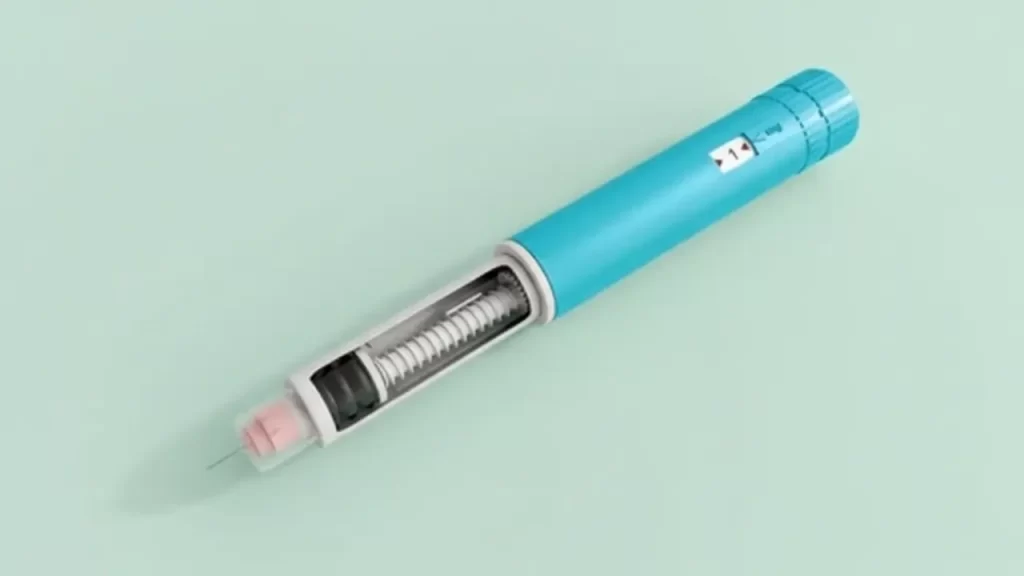
Ozempic and semaglutide are closely connected. Semaglutide is the actual drug, and Ozempic is just a brand name for it. Wegovy is another brand name for semaglutide, but at a higher dose, and it’s the version specifically approved by the FDA for weight loss. Mounjaro is a different medication altogether. Its active ingredient is tirzepatide, which targets two hormones instead of just one, making it a newer and often more potent option.
You can learn more about how semaglutide specifically works for weight management in our guide on how to get started with semaglutide for effective weight management.
How Does Ozempic Work for Weight Loss?
The original purpose of Ozempic was to treat type 2 diabetes. However, when researchers conducted clinical trials, something interesting was observed. Individuals using it were also losing so much weight. It was not originally supposed to be the case, but it became a fairly big deal.
Ozempic is a single injection once a week. You put it in the skin, in your stomach, thigh, or upper arm. It assists in the reduction of blood sugar, and it decreases the rate at which you get out of your stomach. Due to that decelerating power, you are satisfied longer after eating. Many individuals automatically consume less food even without attempting it. Research has indicated that individuals on Ozempic lose approximately 10 to 15 percent of their body weight on average, and that, for an individual at 220 pounds, this may translate to a loss of 22 to 33 pounds.
This is something to know now. Ozempic is not approved by the FDA for weight loss. It is licensed for type 2 diabetes. Wegovy is an analogue of the same drug (semaglutide) but in a higher dose, a drug that received the green light of the FDA, specifically for weight management in adults. So, in case the loss of weight is your primary objective, then Wegovy is the form that your doctor may favor.
If you have questions specifically about Ozempic, we’ve put together answers to the 8 most common questions about Ozempic for weight loss that patients ask us all the time.
What Makes Semaglutide Different From Ozempic?
Here’s where people get confused, and honestly, it’s an easy thing to mix up. Semaglutide is the ingredient. Ozempic and Wegovy are both brand names that contain semaglutide. Think of it like ibuprofen being the drug and Advil being the brand. They’re related but not identical in how they’re prescribed.
The big difference between Ozempic and Wegovy comes down to dose. Wegovy is approved at doses up to 2.4 mg per week, while Ozempic tops out at 2 mg per week for diabetes management. That higher dose in Wegovy is what delivers stronger weight loss results in most people. According to clinical data reviewed by the NIH, people on Wegovy lost around 15 percent of their body weight over 68 weeks when combined with lifestyle changes.
So when someone says they’re on semaglutide for weight loss, they’re likely on Wegovy or a compounded version prescribed by a licensed doctor. If you want a deeper look at ordering semaglutide online safely, check out our guide on 6 tips for ordering semaglutide weight loss medication online.
Doctor-Designed Treatment
What Is Mounjaro and Why Is Everyone Talking About It?
Mounjaro is the up-and-coming child, and it has received the necessary attention. It is different from semaglutide and contains tirzepatide as its active ingredient. Whereas the GLP-1 hormone is the only target of Ozempic and Wegovy, Mounjaro has two targets: GLP-1 and GIP. It also serves two pathways, hence it is more likely to deliver more results.

In clinical trials, people on Mounjaro lost around 20 to 22 percent of their body weight on average. For someone at 250 pounds, that could mean losing 50 to 55 pounds. That’s a significant difference compared to semaglutide alone. The FDA approved tirzepatide under the brand name Zepbound specifically for chronic weight management in adults, separate from the Mounjaro brand, which is approved for type 2 diabetes.
The side effects are similar to semaglutide, mostly nausea, diarrhea, and stomach discomfort, especially when starting. Most people find these improve over time. If you’re thinking about Mounjaro, it’s worth reading through 5 things you need to know before starting Mounjaro shots for weight loss to prepare yourself properly.
We also have a full breakdown on tirzepatide as the next generation of weight loss treatments, if you want to go deeper on the science.
How Do Ozempic, Semaglutide, and Mounjaro Actually Compare?
Here’s a simple side-by-side so you can see the key differences at a glance.
| Feature | Ozempic | Wegovy (Semaglutide) | Mounjaro |
|---|---|---|---|
| Drug Type | Semaglutide (GLP-1) | Semaglutide (GLP-1) | Tirzepatide (GLP-1 + GIP) |
| FDA-Approved For | Type 2 Diabetes | Weight Loss | Type 2 Diabetes / Weight Loss |
| How You Take It | Weekly injection | Weekly injection | Weekly injection |
| Average Weight Loss | ~10-15% body weight | ~15% body weight | ~20-22% body weight |
| Common Side Effects | Nausea, stomach upset | Nausea, stomach upset | Nausea, diarrhea, stomach upset |
| Brand Maker | Novo Nordisk | Novo Nordisk | Eli Lilly |
One thing this table doesn’t show is cost. All three medications can be expensive without insurance coverage. Ozempic tends to have broader insurance coverage because of its diabetes approval, while Wegovy and Mounjaro have more varied coverage depending on your plan and your health criteria. It’s always a good idea to check with your insurance before starting.
Which Medication Is Actually Right for You?
This is the question that virtually every person will ask, and it is the most significant question as well. No single best medication in this situation. The right one will be based on your health history, whether you have diabetes or prediabetes, the amount of weight you need to lose, response of your body to a number of drugs, and what your physician advises you to take.
Dr. Heifitz and the staff in NuPharmaLife see the entire picture before giving an opinion. Ozempic may work well with someone with type 2 diabetes as it would manage both conditions simultaneously. A person who is obsessed with losing weight and has no diabetes would be a better candidate for Wegovy or Mounjaro. It does not fit all, and it must not.
You also need to think about what happens alongside the medication. These drugs work best when you’re making some lifestyle adjustments too. Eating smarter, moving more, and understanding how to manage your diet with these medications makes a real difference. Our post on tips for managing your diet while using GLP-1 agonists is a great starting point.
If you’re still unsure whether any weight loss injection is right for you, our article on whether weight loss injections are the right option for you walks you through the questions to ask yourself and your doctor.
What Do People Get Wrong About These Medications?
Quite a bit, actually. Let’s clear up the most common ones.

They’re not magic weight-loss shortcuts.
These drugs are not solutions, but rather tools. They can help to lower the appetite and raise the efficiency of how your body processes blood sugar, but you have to make regular decisions about food and activity.
Stopping the medication usually means the weight comes back.
Research has revealed that much of the weight that individuals lose does not go away once they stop taking these drugs. This does not imply that they are not worth it, but it implies that it will be a long-term commitment and not a fast solution.
Higher doses don’t always mean better results for you.
Mounjaro gives the higher average weight loss results, but it does not imply that it is the right choice. It is much more important than the statistics, your personal health history, the tolerability of the drug, and the opinion of your doctor.
You don’t need to go to a clinic in person.
Many of them do not begin taking these drugs just because they do not wish to go through the inconvenience of having to arrange face-to-face meetings. In NuPharmaLife, you will be able to have a licensed doctor diagnose your health via the internet, and if you are fit, a prescription will be delivered right into your living room without you having to leave the house.
Frequently Asked Questions
1. Is Ozempic the same thing as semaglutide?
Yes and no. Ozempic is a brand name, and the active drug in it is semaglutide. Wegovy is semaglutide as well, only in a higher dose, and it is prescribed as an anti-weight-loss drug. Therefore, semaglutide is all Ozempic, but semaglutide is not all Ozempic.
2. Can I use Ozempic for weight loss if I don’t have diabetes?
Ozempic is not approved by the FDA to lose weight, but to control type 2 diabetes. Nevertheless, it is also prescribed off-label by physicians. The more potent form of semaglutide is called Wegovy, which is the officially approved weight management medication in adults.
3. Is Mounjaro stronger than Ozempic?
Research indicates that Mounjaro (tirzepatide) causes an average weight loss as compared to Ozempic or Wegovy. The reason is that it does not focus on only one hormone. With that said, stronger does not necessarily mean better to you in particular. Your physician must find the appropriate medication to your health situation.
4. How long does it take to see results?
Individuals begin to feel the difference in 4 to 8 weeks, yet the larger outcomes are received after some months. These drugs are effective when supplemented with a proper diet and mild exercise. Do not think that you will see results fast..
5. What are the most common side effects?
The great one, in all three drugs, is nausea, particularly when you first start or increase the dosage. Stomach upsets, diarrhea, and lack of appetite are also the norm. The side effects also diminish in most cases as your body adapts.
6. How do I get a prescription for these medications?
You require a qualified physician to check on your health and prescribe the appropriate medication. NuPharmaLife is one of the sites on which you can complete the entire process online without having to visit the site in person. Your information is examined by a licensed US physician who, in turn, forwards a prescription directly to your pharmacy in case of approval.
7. Are these medications covered by insurance?
Coverage varies a lot. Wegovy or Mounjaro are covered by some insurance plans for weight loss, particularly when you match some BMI or health requirements. Ozempic is more frequently covered for diabetes. It would be a good idea to call your insurance and enquire directly.
The Bottom Line on Ozempic, Mounjaro, and Semaglutide
These are indeed effective drugs which have assisted so many individuals in losing weight and working on their health. Ozempic and Wegovy (semaglutide) have a rather long development, and Mounjaro (tirzepatide) demonstrates better results as an alternative. None of them is alike, and none of them supersedes the basics. They can be a turning point, however, for the right individual with the right guidance.
In case you were going back and forth on whether to at least give one of these medications a shot, the next best thing to do is an actual conversation with a doctor who will be in a better position to know your health. That is what we have at NuPharmaLife. There is no verdict, no waiting around, no medical advice from a licensed US physician, all over the internet.
Medical Disclaimer: This blog post is for informational and educational purposes only. It is not intended as medical advice, diagnosis, or treatment. Always consult with a qualified healthcare professional before making any changes to your diet, medications, or health routine.