Key Takeaways
- Busy schedules don’t cause weight gain alone; poor food choices, bad sleep, and stress do.
- Small habits like meal prep, short workouts, and mindful eating make a big difference over time.
- Sleep and hydration are often ignored, but they play a huge role in controlling hunger and weight.
- GLP-1 medications can support real weight loss when combined with simple, consistent lifestyle changes.
According to the CDC, more than 70 percent of adults in America are overweight or obese. However, here is the aspect that is neglected, and a big factor that is not that they cannot will it. It’s a lack of time. Life gets busy. Fast. And the easiest thing to take a back seat when you are working and also managing family and all that comes with it is your own health. When that sounds like you are not alone. The good news? You do not need an ideal schedule to control your weight. All you need is the correct strategies, the strategies that can be applied in real life.
Why Do Busy People Struggle So Much With Weight Management?
Here’s the thing: it’s not that busy people don’t care about their health. Most of them really do. The problem is that a busy schedule quietly sets up all the wrong conditions for weight gain, and it happens gradually enough that you barely notice until your clothes stop fitting.
When you’re short on time, you reach for whatever’s fast. That usually means processed food, takeout, or skipping meals entirely and then overeating later. Add late nights, early mornings, and back-to-back meetings, and your sleep takes a hit too. And as Dr. Heifitz will tell you, after three decades of clinical practice, poor sleep is one of the biggest hidden drivers of weight gain; If you’ve been struggling with this, it’s worth understanding how sleep issues affect your body in more detail: it messes with the hormones that control hunger, specifically ghrelin and leptin. When those are off, you feel hungrier than you actually are.
So the cycle looks like this: busy schedule, poor food choices, bad sleep, more hunger, more weight gain. It feels exhausting because it is. But you can break it, and you don’t have to overhaul your entire life to do it.
Does Meal Planning Really Make That Big of a Difference?
Honestly, yes. This one is the one that surprises many since the meal planning seems to be a time-consuming activity rather than a time-saving measure. However, what really happens here is that, when you spend an hour or two on a Sunday cooking, you save yourself the dozens of poor choices that you will make during the week. And those are the fast, snap-on food decisions, which tend to be the culprit in terms of the additional calorie intake.
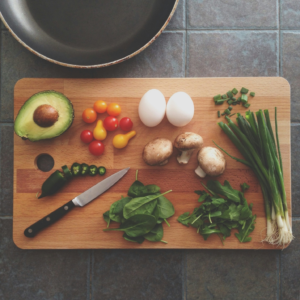
There is no need to prepare fancy dishes. Keep it simple. Choose one day of the week when you are going to make what you should eat and prepare the basics beforehand. Cook your proteins. Chop your vegetables. Make a shopping list with a purpose. You will be much less likely to drive through a fast food joint on a Wednesday night, when your refrigerator is full of just pre-prepared items.
Stock your desk, bag, or car with easy snacks too. Things like nuts, yogurt, or a piece of fruit. This is kind of obvious, but a lot of people skip it, and then wonder why they’re starving and making poor choices by 3 pm. Healthy snacking keeps your metabolism steady and stops those extreme hunger moments. If you’re using medical support for weight loss, here are some practical diet tips that actually work alongside treatment:
Quick Reference: Weight Management Strategies for Busy Lifestyles
| Strategy | Time Required | Impact on Weight |
|---|---|---|
| Meal prepping once a week | 1–2 hours on Sunday | High, cuts calorie spikes all week |
| HIIT workouts | 15–30 minutes | High, burns calories fast |
| Mindful eating | No extra time needed | Medium, reduces overeating |
| Drinking more water | Ongoing habit | Medium, reduces false hunger |
| 7–9 hours of sleep | Lifestyle change | High, regulates hunger hormones |
| GLP-1 medications (e.g., Ozempic, Mounjaro) | Minimal (online visit) | Very High, clinically proven weight loss |
Doctor-Designed Treatment
What Kind of Exercise Actually Works When You’re Short on Time?
Many individuals have a perception that they have to spend time in the gym daily and lose weight in an hour. That’s just not true. Indeed, it has always been demonstrated that shorter and more intense workouts are equally or even superior to long and slow cardio workouts.

HIIT is abbreviated as High-Intensity Interval Training, and it simplifies itself as such. Short periods of intensive activity, then short periods of rest. A 20-minute HIIT training session can help you burn more calories and raise your metabolism better than a 45-minute jog. On top of that, you can do it at home, in a hotel room, in a park, anywhere. You don’t even need equipment.
Other than scheduled exercises, consider the minor activity decisions that you make in a day. Use the stairs and not the elevator. Walk during a phone call. Park further away. These are not meant to substitute actual exercise, but they do count in a significant way in the long run.
Here is an experience that we have in NuPharmaLife: when patients are ready to make small changes regularly and consistently, then they are more likely to follow through with their plan much longer than those who attempt to do it perfectly at the beginning.
What Is Mindful Eating, and Why Does It Keep Coming Up?
Mindful eating is a term that is somewhat abstract, yet the concept is not complicated. It only involves being mindful of what you are about to eat and how your body feels as you are the one eating it. That’s it. No special diet. No calorie-counting application needed.
The issue is that the large majority of people consume food while doing another thing. Browsing their phone, watching TV, or eating at their desk, and in between emails. When you are too busy, you do not even notice the signals of having eaten enough because you have already overeaten. It can take the brain about 20 minutes to agree with what the stomach is doing, and this means that eating fast whilst distracted is almost an overeating recipe.
A little change that will change things: slow down. Take actual bites. Chew more. Here and there, it almost sounds too easy to be so, but it actually works. And next time you go to reach for a snack, give yourself 30 seconds to question yourself on whether you are hungry or you are just bored, stressed out, or tired. You would be surprised how it is so often one of the second three.
How Much Do Sleep and Hydration Actually Matter for Weight?
More than most people think. Sleep especially. According to the reports by the CDC, over a third of Americans do not obtain sufficient sleep regularly. And what is it like when you are sleep-deprived? The level of your hunger hormone (ghrelin) increases, and the level of your fullness hormone (leptin) decreases. Then you are hungry, and you want more foods that are high-calorie foods, and your power to resist them is less. That’s not a weakness. That’s biology.
A target of 7-9 hours of sleep is desirable. Yes, it may mean that you need to be a bit more conscious about defending your schedule. However, it is actually one of the strongest things you can ever do for your weight, your energy, and your health in general.
The other thing that people underestimate is water. Water intake is also important during the day, as it makes your metabolism work correctly, and it also suppresses false hunger. Thirst is mistakenly confused with hunger, and as a result, much of the unwarranted snacking is caused by the simple fact that an individual is dehydrated. Carry a bottle of water and take it regularly, not only when you are already thirsty.
What About Weight Loss Medications? Are They a Real Option for Busy People?
Lifestyle change alone is not always enough to shift the needle quickly enough in the eyes of many people, particularly when years have passed, and the hectic life is making it difficult to go through the change regularly. That is where contemporary weight loss drugs come in, and it is actually one of the most thrilling fields of medicine today.

GLP-1 medications like Ozempic (semaglutide) and Tirzepatide (the active ingredient in Mounjaro) have changed the conversation around medical weight management. These aren’t crash-diet pills. They work by regulating hunger hormones and slowing digestion, which naturally reduces appetite and leads to real, sustained weight loss. Clinical trials have shown patients losing 15 to 22% of their body weight with these treatments.
And here’s something that helps specifically if you’re busy: you don’t need to go to a clinic. At NuPharmaLife, you can consult a licensed US doctor online. If you’re thinking about starting treatment, here’s a simple guide to getting started: get evaluated, and receive a personalized prescription, all from home, without taking a single hour off work. It’s telehealth designed around your schedule, not the other way around.
Frequently Asked Questions About Weight Management for Busy People
1. How can I lose weight if I don’t have time to cook?
Begin with the easiest form of meal preparation. Cook one protein and one vegetable every week on Sundays. Having those two things in your fridge alone will reduce the majority of bad choices that occur during weekdays when you are too tired and hungry.
2. Can short workouts actually help with weight loss?
Yes, and the research supports this. HIIT can be performed regularly of three to four times a week, and lasting 20 minutes is sufficient to achieve actual outcomes. It is consistency that is of greater concern than the time of the session.
3. Does stress cause weight gain?
It can, yes. Chronic stress elevates the level of cortisol, and this stimulates the appetite and the deposition of fats, especially in the belly. Sleep, movement, and regular meals can be used to manage stress and break the cycle.
4. What are GLP-1 medications, and are they safe?
Just in case you are not certain whether injections are right. Semaglutide (Ozempic) and tirzepatide (Mounjaro) are FDA-approved GLP-1 drugs that aid in controlling appetite and aiding in considerable weight loss. Their use under the guidance of licensed physicians is prescribed and monitored, and in case of proper usage, has a high clinical safety profile.
5. Can I get a weight loss prescription online without visiting a clinic?
Yes. With NuPharmaLife, you are able to carry out an online physician consultation with a licensed US doctor, personalized assessment, and prescription without moving. It is quick, confidential, and schedule-based.
6. How long does it take to see results with GLP-1 weight loss medications?
The majority of patients start experiencing a change in appetite in the first few weeks. A significant weight reduction is usually noticeable in 8 to 12 weeks, and with continued use, additional weight reduction results are achieved in subsequent months.
7. Is it safe to combine medication with lifestyle changes?
Of course, and it is the best method. Drugs such as GLP-1 agonists are effective in combination with better dietary practices and physical activity. They encourage and encourage you to do more of the lifestyle work you are already doing, rather than ousting it.
Doctor-Designed Treatment
So, Where Do You Start?
You do not need to make everything right at the same time. Actually, the patients who attempt everything simultaneously are the one who burns out in week three. Choose something from this post and begin there. Perhaps it is meal planning on Sundays. Perhaps it is the establishment of a routine sleep. Perhaps you have that telehealth appointment that you are putting off.
Balancing weight when you are a busy person does not necessarily mean that you have a great program. It is about making little, regular decisions that accumulate in the long run. And in case your body requires some additional support on the way, it is not a failure. It is simple smartness to make the most of whatever you have. The right help, applied in the right way, is everything.
Medical Disclaimer: This blog post is for informational and educational purposes only. It is not intended as medical advice, diagnosis, or treatment. Always consult with a qualified healthcare professional before making any changes to your diet, medications, or health routine.