
Key Takeaways
- Ozempic helps reduce hunger and control appetite because it mimics a natural fullness hormone.
- It can lead to 10–15% weight loss because it targets the body’s hunger signals, not just calories.
- It is not FDA-approved for weight loss because it is mainly prescribed for type 2 diabetes.
- Side effects like nausea are common at first because digestion slows down but usually improve over time.
- Results last longer with diet and lifestyle changes because stopping the medication can lead to weight regain.
You are not alone when you are having a hard time losing weight, and all you hear about is Ozempic as a weight loss medication. The question that is on the mind of many individuals is whether this can be considered a safe and effective way of losing pounds when diet and exercise have failed to produce the desired outcome in their lives due to this once-weekly injection.
The clinical experience gives the raw truth of it here, and the truth is Ozempic (semaglutide) frequently initially results in significant weight reduction due to its imitation of a natural hormone, which reduces appetite and slows down the digestive system. However it is not FDA approved for weight loss. It is there that the confusion begins. In this post, I will provide the answers to the 8 most frequently asked questions I hear, so that you can make up your mind on whether it is worth a discussion with a licensed US doctor.
What Exactly Is Ozempic and How Does It Work for Weight Loss?
Ozempic is a semaglutide, which is a GLP-1 receptor agonist, brand-name injectable drug. Originally, the FDA in 2017 approved it for adults with type 2 diabetes to enhance control of blood sugar when they are on a diet and physical activity. It also prevents the risk of major cardiovascular events in some patients.
This is the surprising thing to most people. It acts by mimicking a hormone that your body secretes after a meal. This hormone sends the message to your brain that you are full, it slows down the rate at which your stomach empties, and it helps to regulate the sugar level in the blood. The result? You are not as hungry, so do not stuff yourself to the point of forcing it, and most people lose weight as a byproduct.
In diabetes studies, adults lost an average of 7 to 14 pounds. When prescribed off-label for weight management at appropriate doses, the effects can be more noticeable because the medication targets the biological drivers of overeating. That’s why so many turn to semaglutide weight loss today.
How Much Weight Can You Realistically Lose with Ozempic?
This is among the greatest questions. In long-term clinical trials, where clinical trials with semaglutide (the active ingredient) were conducted with increased dosing, the average reduction of body weight was approximately 10-15 percent over 68 weeks when lifestyle changes were added. To a person who is at 200 pounds, this would translate to 20-30 pounds and above.
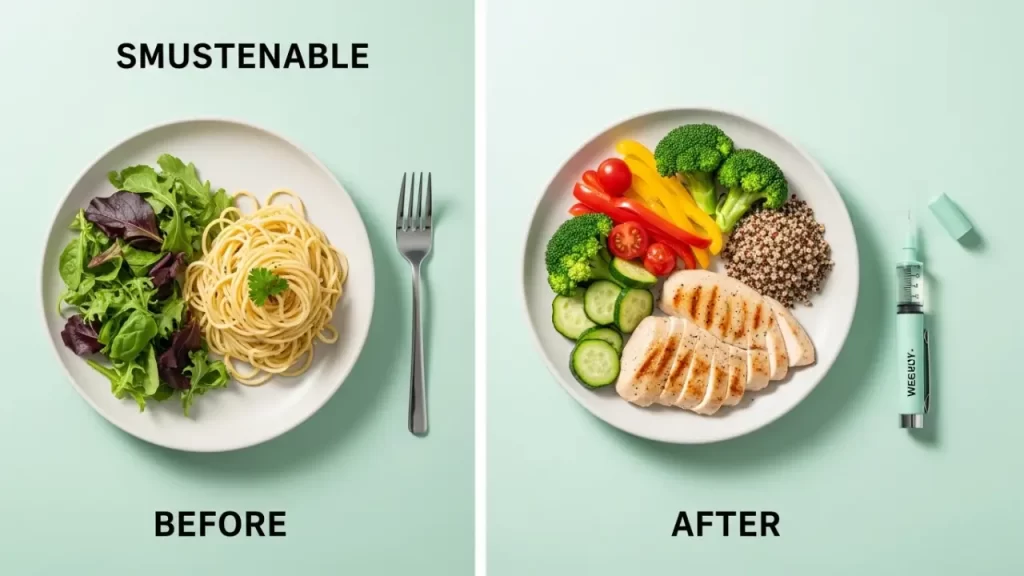
Real-world results vary. Other patients lose consistently after the initial 4-8 weeks when appetite suppressants occur. Others experience slower progress if they do not combine it with improved eating habits and movement. The key is consistency.
Remember that Ozempic is not some magic shot. Its most effective results occur when individuals combine it with a comprehensive plan, which involves management of portions, meals high in protein, and exercise. In NuPharmaLife, our doctors are interested in individualized treatment, hence your weight loss is more likely to stay off.
Doctor-Designed Treatment
What Are the Most Common Ozempic Side Effects?
The majority of side effects are gastrointestinal since the drug takes a long time to empty the stomach. Most commonly reported ones are nausea, vomiting, diarrhea, constipation, and abdominal pain. They are mild to moderate but normally become better after the initial few weeks as your body adapts.

The initial dosage (typically 0.25 mg per week) should be low with slow increments to reduce side effects. It can help to remain hydrated, eat in smaller portions, and avoid fatty or spicy foods. There are also possible serious side effects that are uncommon but include pancreatitis, gallbladder complications, or allergic reactions. This is the reason why it is imperative to collaborate with a qualified US doctor who oversees your progress.
This is what we can read at NuPharmaLife: Most patients do not have issues with semaglutide at the correct dose and with guidance.
Is Ozempic FDA-approved for Weight Loss, or Is It Off-Label?
This is a question that keeps on arising. Ozempic has not been approved by the FDA as a chronic weight management drug or for weight loss. It has been cleared to treat type 2 diabetes and cardiovascular and kidney-related conditions.
A more delayed version of the identical active substance (semaglutide) is licensed as Wegovy as weight-reducing in obese adults with at least one obesity-associated condition. Ozempic is given off-label by many doctors as a weight-loss drug because the medication is identical, and there are situations when supply/insurance can affect it.
Off-label prescription is frequent and not illegal if a doctor feels that it is the right action to take, going by your health status. However, it is always better to have a level discussion with a physician about the correct choice that would suit you.
How Does Ozempic Compare to Wegovy or Other Weight Loss Options?
Semaglutide is found in both Ozempic and Wegovy. The approved indication, as well as the maximum dose, changes primarily. Wegovy reaches a weekly dose of 2.4 mg (weight loss optimization), whereas Ozempic reaches 2mg (diabetes).
In head-to-head data, semaglutide at a higher dose results in greater average weight loss. Other well-known ones, such as tirzepatide (Mounjaro/Zepbound) are dual hormone (GLP-1 and GIP) agonists that tend to yield even higher results in clinical trials.
Learn more in our guide to top weight loss medications comparing Ozempic, Mounjaro, and semaglutide.
Will You Regain Weight If You Stop Taking Ozempic?
Yes, the majority of people gain some weight or a lot when they quit. These are drugs that do not alter your biology permanently. After the effects of appetite suppression wear off, we usually find ourselves feeling hungry again, and we may slip into the old habits of eating.
That is why sustainable habits are so important. The patients with the longest term maintenance of the weight loss concentrate on nutrition, strength training, sleep, and stress management when taking the medication. Consider it as a device that allows you to create more productive habits and not a crutch forever.
In case you are worried about the time span of using it, discuss with your doctor about the maintenance plans or reduction plans.
Who Is a Good Candidate for Ozempic for Weight Loss?
The best applicants are adults who have a BMI of 30 or more (obesity), or 27 or more and one or more weight-related issues (high blood pressure, high cholesterol, or prediabetes). It may also suit individuals with type 2 diabetes who have weight issues.
It’s not right for everyone. Individuals who have a history of a personal or family history of medullary thyroid cancer, multiple endocrine neoplasia syndrome type 2, or some risks of pancreatitis may be required to avoid GLP-1 drugs. It should also be avoided during pregnancy, breastfeeding, and severe gastrointestinal disease.
At NuPharmaLife, each patient obtains an in-depth online consultation with a licensed doctor in the USA to ensure that treatment is safe and individualized.
See if weight loss injections are the right option for you.
How Can You Get Ozempic or Semaglutide Safely and Conveniently in the US?
Many Americans find it the simplest and least obvious method, which is telehealth. You reconnect with a US certified doctor via the internet, share your history and intentions, and (when suitable) are given a unique prescription. Not a face-to-face visit in the majority of situations.

At NuPharmaLife, we focus on legitimate, regulated options and guide patients on brand-name vs. other formulations during shortages. We also help with tips for ordering semaglutide online successfully, like proper injection technique and diet adjustments.
FAQ
1. Is Ozempic safe for long-term weight loss?
With careful monitoring by a physician, a large number of patients have successfully used semaglutide-based therapies long-term with high safety. Check-ins are done regularly to detect any problems. The largest long-term key is developing long-term sustainable habits.
2. Can I take Ozempic if I don’t have diabetes?
Yes, it is being used by many people who are not diabetic off-label as a weight management tool after a proper medical assessment. Risks and benefits will be determined by your doctor depending on your general well-being.
3. What should I eat while on Ozempic?
Eat high-protein, nutrient-dense foods and eat less, but drink a lot of water. Exclusion of fried or high-fat foods is discouraged as they are able to aggravate nausea. A nutrition guide has positive effects on many patients.
4. How quickly do you see results with Ozempic for weight loss?
The reduction in appetite may begin during the first 1-2 weeks. The reduction of weight is usually noticed after 4-8 weeks and progresses with regular use and lifestyle maintenance.
5. Are there alternatives if Ozempic isn’t right for me?
Absolutely. Alternatives to GLP-1 drugs, such as tirzepatide, an alternative dose, or no drug, can be used. The telehealth consultation may assist in pairing you with the most appropriate fit.
6. Does insurance cover Ozempic for weight loss?
Coverage varies widely. Most of the plans include it in diabetes, but not weight loss alone. Obesity can be better covered with Wegovy. You can visit our team and talk about the affordable options.
7. What happens if I miss a dose?
Use it immediately when you remember, whether it is within a few days. Otherwise, get by and carry on with your routine. Never double up.
Doctor-Designed Treatment
Ready to Take the Next Step?
The weight loss pills Ozempic and semaglutide have assisted a lot of individuals in regaining control of their weight when all the other techniques failed. However, it can be successful only when one understands the drug, uses it properly under the guidance of a medical professional, and accompanies it with actual lifestyle changes.
You are not the only one on this mission, and you do not have to work it out yourself. The physicians at NuPharmaLife provide online check-ups that are easy and private, and the doctor will consult with you and only you.
Medical Disclaimer: This blog post is for informational and educational purposes only. It is not intended as medical advice, diagnosis, or treatment. Always consult with a qualified healthcare professional before making any changes to your diet, medications, or health routine.