
Key Takeaways
- Mounjaro targets two hunger hormones, not one, that’s what makes it more effective than most weight loss drugs.
- Real weight loss usually kicks in around weeks 8 to 12, so patience is part of the process.
- Side effects like nausea are common but temporary, and they mostly ease up once your dose stabilizes.
- Not everyone qualifies, you need a BMI of 30+ (or 27+ with a health condition) and a doctor’s prescription.
- It’s a long-term treatment, and pairing it with better eating and exercise habits gives you the best shot at keeping the weight off.
You have been hearing about Mounjaro everywhere of late. It is being discussed on social media, your doctor probably brought it up, or perhaps a friend already has, and you are only trying to determine whether it is appropriate for you. Frankly speaking, it is understandable that you want to know more before leaping.
Mounjaro is a once-a-week injection that has been performing quite promising weight loss outcomes. And in case you have been considering it, there are 5 things you actually should know first before starting it. Dr. At NuPharmaLife, Heifitz has received numerous patients with big expectations and a lack of preparation. This post is here to fix that.
#1 What Exactly Is Mounjaro, and Why Is Everyone Talking About It?
Mounjaro’s generic name is tirzepatide, and it works differently from most weight loss options you have probably heard about. It targets two hormones in your body called GLP-1 and GIP, which control your appetite and blood sugar. Most similar medications only target one. Because Mounjaro hits both, it tends to produce stronger results. If you want to dig deeper into the science behind it, check out tirzepatide and the next generation of weight loss treatments for a thorough breakdown.
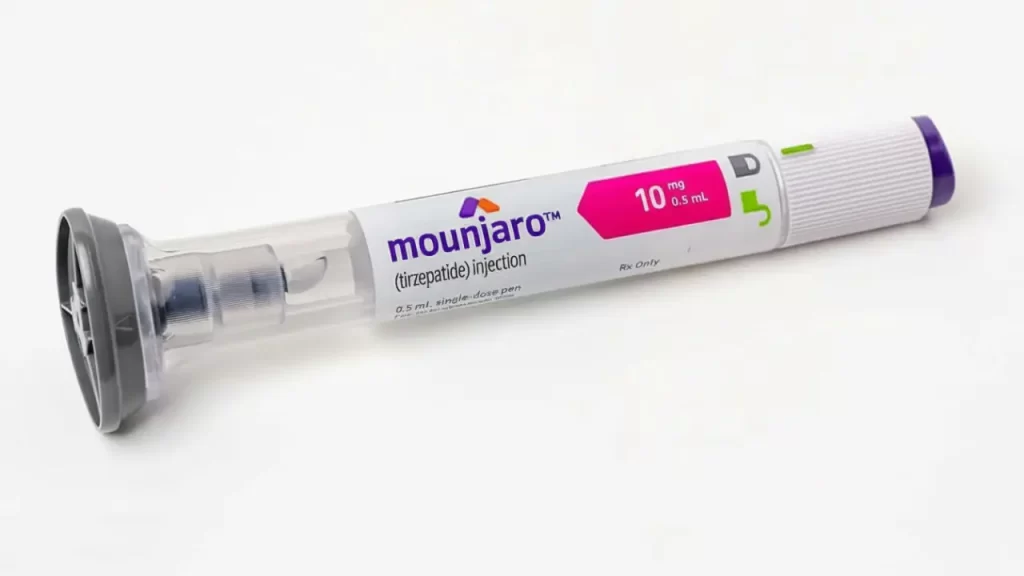
It is given as a mere injection once a week. Or it is administered in a pre-filled pen, which is injected into the stomach, thigh, or the back of the upper arm as a shot under the skin. It sounds scary initially, yet the vast majority of people learn it in a rather short period. It is easy to operate the pen without any medical instruction in the comfort of the home.
This is where people get a stumbling block. Mounjaro is approved by the FDA to treat type 2 diabetes only. The weight loss version that is approved by the FDA is, in fact, known as Zepbound, yet it is the same drug. Same mechanism, same ingredient. Telehealth services such as NuPharmaLife can also help you and a licensed US physician, who can hear your entire case and decide whether this treatment is the appropriate one. Doctors frequently prescribe tirzepatide to help you lose weight.
Mounjaro at a Glance: Quick Reference
| What It Is | What You Need to Know |
|---|---|
| Drug name | Tirzepatide (brand: Mounjaro / Zepbound) |
| How it works | Targets two hormones (GLP-1 and GIP) to reduce hunger and slow digestion |
| How often | Once a week injection, self-administered at home |
| Starting dose | 2.5 mg, increases gradually over weeks under doctor supervision |
| When results show | Usually 8 to 12 weeks for noticeable weight loss |
| Average weight loss | Up to 20%+ of body weight in clinical trials over 72 weeks |
| Main side effects | Nausea, upset stomach, tiredness, mostly during dose increases |
| Who it is for | Adults with BMI 30+ or BMI 27+ with a weight-related health condition |
| Prescription needed? | Yes, requires a licensed US doctor’s approval |
Doctor-Designed Treatment
#2 Will You Actually Lose Weight, and How Fast?
Being honest, this is what everybody wishes to know. And the answer to this is yes, Mounjaro is an effective weight-loss medication. It is not quick, though, and you have to be psychologically ready before your first shot.
During the initial week or two, it is unlikely that you will notice significant changes on the scale. What you will realize is that the level of your appetite begins to shrink. You will get full earlier, consume less, and will most likely snack less without the need to even attempt them. That is the drug at work. The real weight on the scale requires a little more time to reach.
It has also been clinically found in the New England Journal of Medicine that individuals using tirzepatide at higher dosages were losing up to 20% of their body weight after 72 weeks. Mounjaro induced approximately 47 percent more weight loss in another study compared to semaglutide, which is found in Ozempic. Those are the real figures of real clinical studies rather than advertising.
The majority of physicians report that you should see a significant reduction in weight in the 8-12 week period, after your dose has had time to build up. After six months, there is an average loss of 12 to 15 percent of the initial body weight, as studies demonstrate. At the age of 9 months, it increases to approximately 21%. The keyword there is ‘average.’ The success you achieve will be based on what you eat, your activity level, and the response of your body to it.
#3 What Side Effects Should You Actually Expect?
Okay, this part matters. Mounjaro has side effects, which are real, and mostly they hit your stomach. Some bloating or loose stools, nausea, upset stomach. It is these things which they report most. Frankly speaking, it is worse than it is normally in reality.

This is the point: side effects occur most when you are increasing your dose, as opposed to when it is maintained. Mounjaro begins with a very low dose of 2.5mg, and this dose is raised slowly over a few weeks by your doctor. There is absolutely nothing accidental about that gradual upsurge. It allows your digestive system to adapt and not feel overworked.
Most people describe the side effects as mild to moderate and say they improve over time. Eating smaller meals, staying hydrated, and avoiding greasy or spicy food during those first weeks can really help. For a full guide on eating well while on this kind of medication, tips for managing your diet while using GLP-1 agonists are worth a read before you start.
There are also a few more serious warnings you need to know about. Mounjaro is not safe for people who are pregnant or planning to become pregnant. Doctors recommend stopping it at least 2 months before trying to conceive. It is also not recommended if you have a personal or family history of certain thyroid cancers or if you have had pancreatitis. Your doctor will go through all of this with you before writing a prescription.
#4 Is Mounjaro the Right Choice for You?
Not every medication is right for every person, and Mounjaro is no different. It is generally prescribed for adults with a BMI of 30 or higher, or a BMI of 27 or higher if you also have a weight-related health condition like high blood pressure, high cholesterol, or type 2 diabetes.

If you have been struggling with weight for a long time and have not been able to get lasting results through diet and exercise alone, Mounjaro might genuinely be worth exploring. It is not a shortcut. You still need to eat better and move more. But for many people, it is the extra support that finally makes the difference. Not sure if a weight loss injection is even the right path? This guide on whether weight loss injections are right for you can help you think it through before you decide.
The best way to find out if Mounjaro is right for you is to speak with a doctor who can review your full health history. You can also compare it against other options before committing. This comparison of top weight loss medications including Ozempic, Mounjaro, and semaglutide gives you an easy side-by-side look. Through NuPharmaLife, you can consult a licensed US physician entirely online, from home, with no in-person visit required.
#5 This Is a Long-Term Commitment, Not a Quick Fix
This could be the most significant in this entire list. Mounjaro is not an express solution. It is a long-term treatment. The results were measured via clinical studies carried on patients for as long as 72 weeks, and the total effect of weight loss is not achieved in a matter of days but in a matter of months.
Another one is a weight loss plateau, where your body stops to lose weight, and even though you are doing everything right, you are not losing weight. It occurs during virtually every weight loss program and not just with medication. Patients who manage to make it through are also the ones that have developed better food and exercise habits in the process.
Some research also shows that people can regain some weight after stopping Mounjaro, which is why it is typically part of a longer-term plan. To get the best results, it really helps to go in with a strategy. Getting the most from Mounjaro: tips for successful weight loss is a practical guide that pairs well with this post once you are ready to start.
Frequently Asked Questions About Mounjaro for Weight Loss
Q1: Is Mounjaro the same as Ozempic?
No, they work differently. Ozempic (semaglutide) targets only one hormone called GLP-1. Mounjaro targets two: GLP-1 and GIP. That dual action is why Mounjaro tends to produce stronger weight loss results in clinical studies. If you want a full side-by-side breakdown, check out 8 common questions about Ozempic for weight loss on the NuPharmaLife blog.
Q2: Do I still need to diet and exercise while on Mounjaro?
Yes, absolutely. Mounjaro acts to decrease the appetite of people and retards digestion, but it would be more effective in combination with a healthier diet and physical activity. Consider it as an aide to what you are doing, rather than a substitute for lifestyle changes.
Q3: How long does it take to start losing weight on Mounjaro?
The changes in appetite are observed during the first two weeks by the majority of people. Real weight reduction on the scale normally appears between weeks 8 to 12, when the dose goes up, and your body gets used to the drug.
Q4: What are the most common side effects of Mounjaro?
The most common are nausea, stomach cramps, and even fatigue, particularly when your dosage is increased. These are more likely to subside with the adjustment of your body. The majority of them explain that they are manageable and that the situation improves after the first several weeks.
Q5: Can I get a Mounjaro prescription online?
Yes. You can have a doctor online consultation, evaluation, and prescription by accessing a licensed US telehealth service, such as NuPharmaLife, and get a prescription at home. No in-person visit required.
Q6: Will I gain the weight back if I stop Mounjaro?
Research does indicate that weight may reappear once the medication is discontinued, hence it is usually incorporated into a long term treatment plan. Even after the end, your doctor will assist you in developing habits that will support you in the process.
Q7: Who should NOT take Mounjaro?
This medication should not be used among people who are pregnant, intend to become pregnant or have a personal or family history of some thyroid cancers or pancreatitis. Your physician will consider your entire medical history and then write a prescription.
Mounjaro is an effective weight loss agent. It has actual science and actual people are achieving actual results. However, with the right expectations, everything is different. Understand it is a long process, the side effects can be controlled and it is most effective when combined with lifestyle changes. In case you are willing to find out or seek to understand whether Mounjaro fits into your case, the NuPharmaLife team can guide you through the whole process online, at the comfort of your own home.
Doctor-Designed Treatment
Medical Disclaimer: This blog post is for informational and educational purposes only. It is not intended as medical advice, diagnosis, or treatment. Always consult with a qualified healthcare professional before making any changes to your diet, medications, or health routine.