
Key Takeaways
- Stress increases inflammation and makes chronic conditions worse
- Mindfulness helps calm the body and reduces pain and anxiety
- Just 5–10 minutes daily can improve symptoms over time
- Consistency matters more than doing long sessions occasionally
Stress makes chronic conditions like acid reflux, and it’s not just mental; it’s physical. When you’re stressed, your body stays in a constant “fight-or-flight” mode, releasing cortisol that increases inflammation, pain, and fatigue.
Mindfulness and simple stress relief techniques help break this cycle. They calm your nervous system, lower cortisol, and shift your body into a relaxed state where symptoms become easier to manage.
You don’t need anything complex. Just a few minutes a day of the right techniques can help reduce pain, improve focus, and make daily life more manageable.
In this guide, Dr. Heifitz explains what actually works, why it works, and how you can start right away.
Chronic psychological stress reduces the body’s ability to regulate inflammation, which can drive the progression of conditions including chronic pain, asthma, diabetes, and cardiovascular disease, according to research published by Carnegie Mellon University.
What Actually Is Mindfulness, and Does It Really Help?
Mindfulness is the practice of focusing your attention on the present moment, what you’re feeling right now, what you’re sensing in your body, what’s happening around you, without judging it. That’s it. No fancy equipment. No special room. Just deliberate, non-judgmental awareness of the present moment.
Sounds simple, right? But research shows it’s genuinely powerful.
The most well-studied mindfulness program in the world is called Mindfulness-Based Stress Reduction (MBSR), developed by Dr. Jon Kabat-Zinn in the 1970s specifically for people with chronic medical conditions.
The standard MBSR program runs for 8 weeks and has been shown in multiple studies to reduce symptoms of depression, anxiety, the impact of nutrition on mental health, and chronic pain, while improving sleep and overall quality of life.
The Mayo Clinic confirms that regular mindfulness practice can reduce the body’s cortisol levels and even help change how the brain processes pain signals.
And you don’t need to sign up for an 8-week program to get results. Even 5 to 10 minutes a day of consistent practice makes a real difference. Here’s where to start.
What Are the Best Mindfulness Techniques for Chronic Conditions?
Let’s get into the actual tools. These are the techniques that have the most evidence behind them, and that real patients find genuinely helpful.
1. Deep Breathing
Deep breathing is probably the simplest tool you have, and one of the most effective. When you breathe slowly and deeply, you activate the parasympathetic nervous system, which is the part of your body that signals “we’re safe, relax.” That lowers your heart rate, drops your cortisol, and calms the whole system.
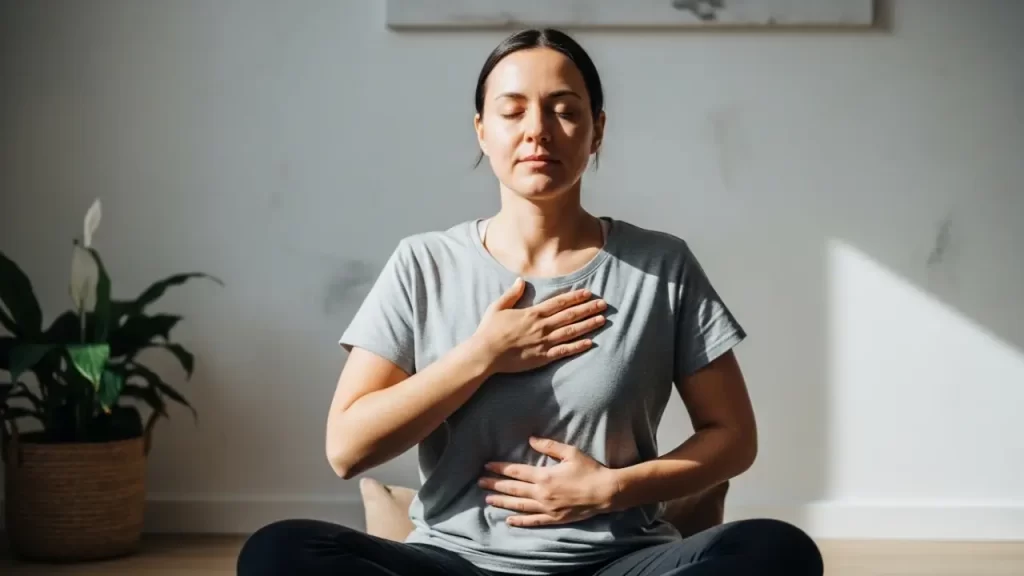
Try diaphragmatic breathing (also called belly breathing). Place one hand on your chest and one on your belly. Breathe in through your nose for 4 counts, letting your belly rise. Hold for 2 counts. Breathe out slowly through your mouth for 6 counts. Just 5 minutes of this can measurably lower your stress response. You can do it anywhere, lying down, sitting at your desk, or waiting for a medical appointment.
2. Body Scan
A body scan is exactly what it sounds like. You lie down or sit comfortably, close your eyes, and slowly move your attention through each part of your body, from your toes up to the top of your head, just noticing what you feel without trying to change it.

This technique is especially useful for people with chronic pain, because it helps you separate the physical sensation of pain from the emotional reaction to it. Over time, that shift in how you relate to pain can actually reduce how intensely you experience it. Research shows that mindfulness-based body scans can activate brain regions that reframe pain signals, making them feel less overwhelming.
3. Progressive Muscle Relaxation (PMR)
PMR is a technique where you tense each muscle group in your body for a few seconds, then fully release it. You start at your feet and work your way up. The idea is that when you deliberately tense a muscle and then let go, your whole body picks up on the “release” signal, making it much easier to reach deep relaxation.

For people with chronic conditions that cause physical tension, like fibromyalgia, chronic back pain, or headache disorders, PMR can be a game-changer. It takes about 10 to 15 minutes and can be done in bed before sleep for double the benefit. This simple practice is also highly effective in managing sleep disorders and their impact on daily life, helping improve both rest quality and overall well-being.
4. The 5-4-3-2-1 Grounding Technique
Sometimes the stress that comes with a chronic condition isn’t slow-building tension; it’s a sharp spike of anxiety or panic. Maybe you’re waiting on test results. Maybe you just had a bad flare. This is where grounding works best.
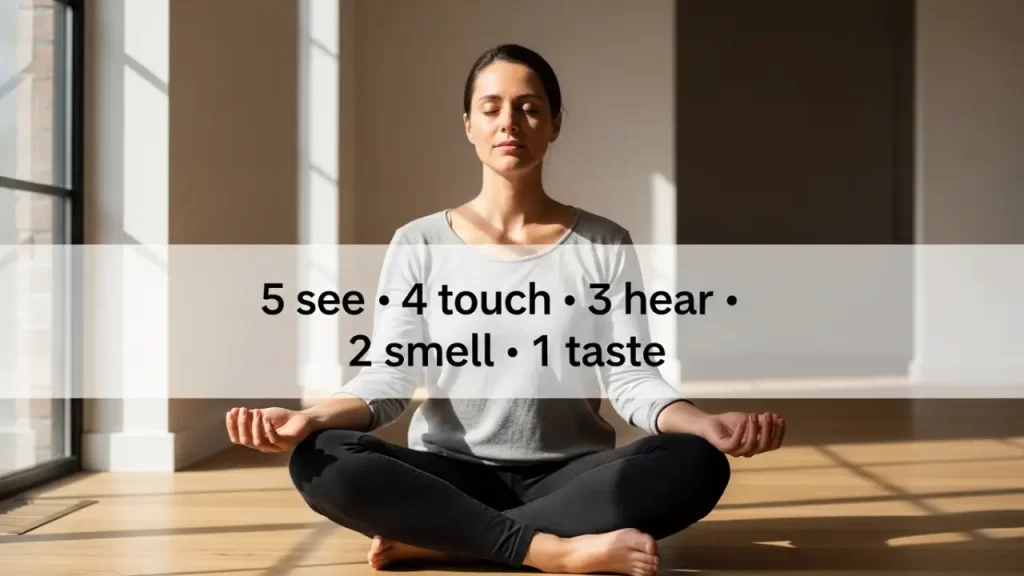
The 5-4-3-2-1 method uses your five senses to pull you back into the present moment:
- Name 5 things you can see
- 4 You can physically touch
- 3 You can hear
- 2 You can smell
- 1 You can taste
It sounds almost too simple. But it’s incredibly effective at breaking an anxiety loop, because it physically interrupts the thought spiral and redirects your brain to what’s real and immediate around you.
5. Guided Meditation
If sitting quietly with your thoughts sounds impossible, guided meditation is the answer. You follow along with a narrator, through an app, a YouTube video, or a program, who walks you through the practice step by step. There are specific guided meditations designed for chronic pain, for sleep, for anxiety, and even for managing difficult medical news.

Apps like Calm, Headspace, and Insight Timer have free programs tailored to chronic illness. Starting with just 5 minutes a day is completely enough. Consistency matters more than duration; 5 minutes every day beats 30 minutes once a week, every time.
6. Mindful Journaling
Journaling might not sound like “mindfulness,” but expressive writing is one of the most underrated stress relief tools out there. The act of writing down your thoughts and feelings, without editing or judging yourself, helps your brain process emotions instead of just looping on them.

Set a timer for 5 to 10 minutes and write freely. No grammar rules. No structure. Just whatever’s in your head. Alternatively, try a gratitude journaling approach, writing down 2 to 3 things you’re genuinely grateful for each day. Research shows this simple shift can improve emotional resilience and reduce perceived stress over time.
7. Gentle Movement
Movement-based mindfulness is one of the most powerful combinations available, especially for chronic conditions. Yoga and tai chi both blend slow, intentional physical movement with breath control and present-moment awareness. Regular yoga has been shown to reduce mental stress, improve sleep, and lower inflammation markers, and because it improves physical flexibility, it can benefit the body at the same time as the mind.

If your condition limits mobility, adaptive yoga is designed for exactly that. Chair yoga, gentle floor stretches, and water-based movement are all valid options. The goal isn’t performance, it’s presence.
How Do You Actually Build a Mindfulness Habit When You’re Exhausted?
Pick one technique from the list above. Commit to just 5 minutes a day for 7 days. That’s it. Set a phone alarm. Do it at the same time every day, maybe right after you wake up, or right before bed. The brain builds habits through repetition and consistency, not duration.
Research suggests that even minimal mindfulness practice can begin rewiring the brain’s stress response in as little as 8 weeks with regular practice.
Also, be kind to yourself on bad days. A chronic condition means some days your body and mind need rest, not effort. Skipping a day doesn’t break the habit. Just start again tomorrow.
What Else Can Help Alongside Mindfulness for Chronic Conditions?
Mindfulness works best when it’s part of a wider approach to managing your health. A few things that work really well alongside it:
- Social support: Talking to others who understand what you’re going through, whether friends, family, or a chronic illness support group, is genuinely therapeutic. Human connection lowers cortisol and reduces feelings of isolation.
- Nutrition: Foods rich in antioxidants, omega-3 fatty acids (like salmon and walnuts), and B vitamins support brain chemistry and mood regulation, directly impacting how your body handles stress.
- Sleep hygiene: Poor sleep keeps cortisol elevated. Consistent sleep and wake times, a dark room, and limiting screens before bed all help stabilize the stress hormone cycle.
- Cognitive Behavioral Therapy (CBT): For deeper mental health support, CBT has strong evidence for people managing chronic illness. It helps identify and shift the negative thought patterns that can make coping harder.
- Telehealth support: You don’t need to go in person to access good care. Through telehealth platforms like NuPharmaLife, you can consult with a licensed US physician about your overall wellness, mental health needs, and any medications that may support your quality of life, all from home.
Doctor-Designed Treatment
Frequently Asked Questions About Mindfulness for Chronic Conditions
1. Can mindfulness reduce chronic pain?
Yes. It changes how the brain processes pain and can reduce perceived pain intensity over time.
2. How long does it take to see results?
You may notice reduced stress in a few days. Deeper benefits usually appear within 6–8 weeks of daily practice.
3. What is MBSR and is it useful for chronic illness?
MBSR is an 8-week mindfulness program combining breathing, meditation, and movement. It helps reduce pain, stress, and anxiety.
4. Is mindfulness safe for everyone?
Generally yes. If you have severe trauma or psychiatric conditions, consult a healthcare provider first.
5. Can I practice mindfulness with limited mobility?
Yes. Techniques like breathing, meditation, grounding, and journaling require no physical movement.
The Bottom Line
Living with a chronic condition is hard. But stress doesn’t have to make it harder. The science is clear: mindfulness and stress relief techniques genuinely change how your body handles chronic illness; by calming the nervous system, lowering cortisol, reducing inflammation, and shifting how your brain perceives pain. You don’t need perfection, and hours. You just need 5 minutes a day and a little consistency.
<span style=”font-weight: 400;”>At NuPharmaLife, I am Dr. Heifitz, and my team understands that health is never just physical. It’s the whole picture, body, mind, and daily life. If you’re looking for personalized support with your wellness journey, we’re here. Book a telehealth consultation online today, and let’s talk about what a real, personalized plan looks like for you.
Medical Disclaimer: This blog post is for informational and educational purposes only. It is not intended as medical advice, diagnosis, or treatment. Always consult with a qualified healthcare professional before making any changes to your diet, medications, or health routine.